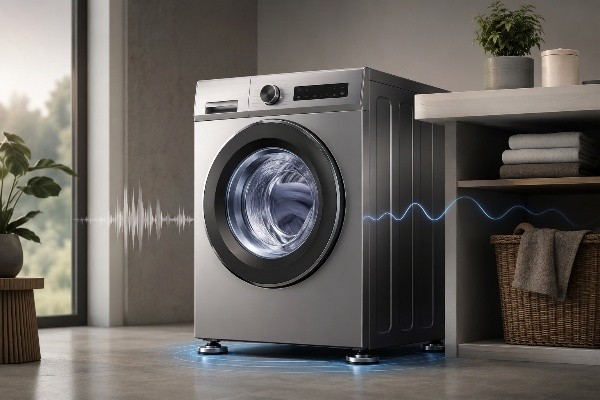
Your washing machine was stress-tested thousands of times before it ever washed a single load of clothes.
Long before you hold a new smartphone, switch on an appliance, board an aircraft, or drive a new car, engineers have already tested these products; often thousands, or even tens of thousands, of times. The surprising part? Most of those tests never happen in a physical laboratory.
Instead, they happen inside powerful engineering simulation environments where products are designed, analyzed, and refined long before the first prototype is built.
Every product you trust today has already lived countless virtual lives before it ever reached your hands.
What If Engineers Could Test 10,000 Ideas Before Building Just One?
Imagine designing a product and being able to evaluate ten thousand different design variations before manufacturing a single component.
That is exactly what modern engineering simulation makes possible.
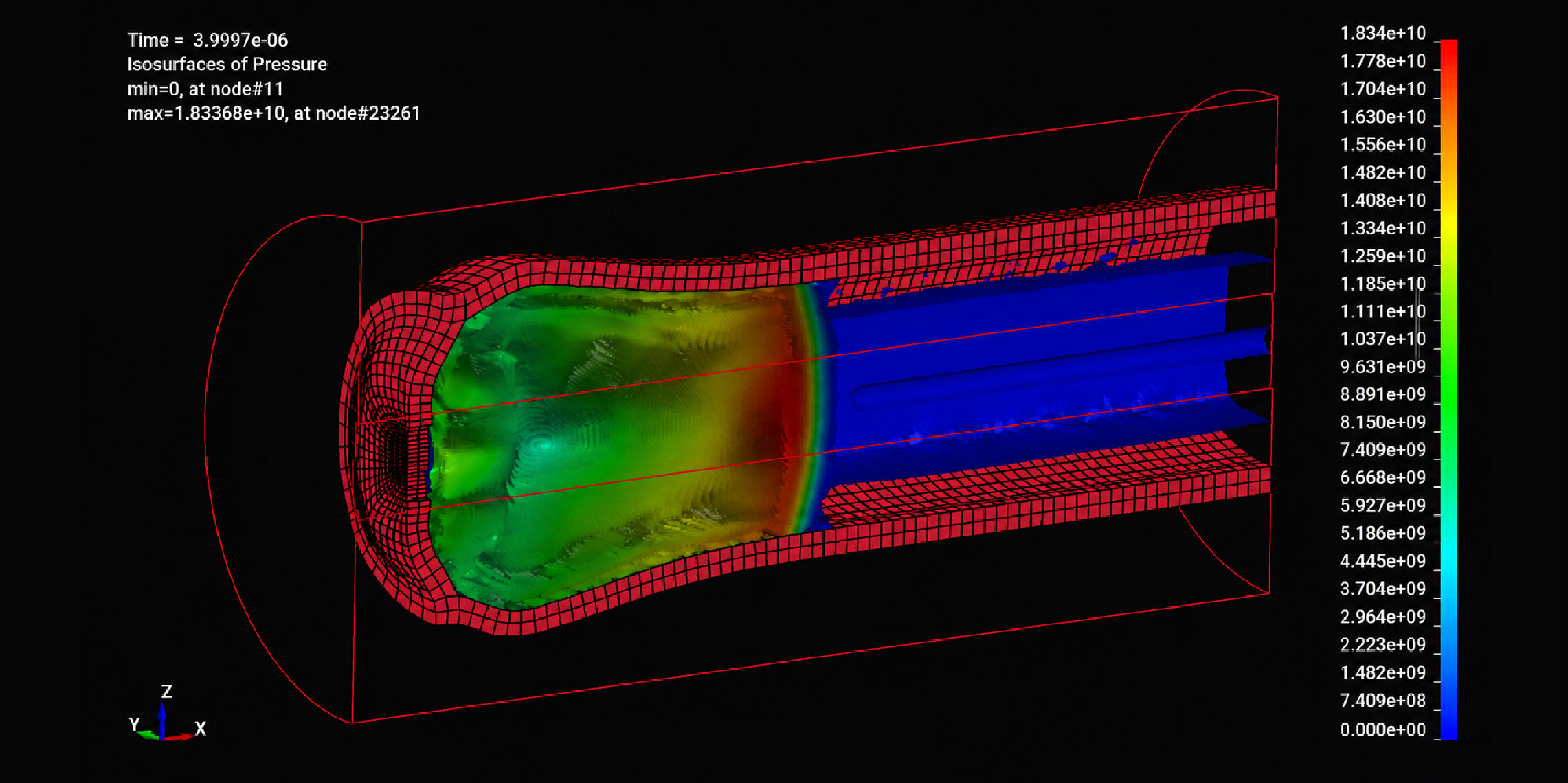
Instead of relying solely on physical prototypes, engineers create highly accurate virtual models using Computer-Aided Engineering (CAE) technologies. These digital models are exposed to real-world operating conditions, loads, vibration, pressure, temperature, airflow, electromagnetic fields, repeated usage, and even failure scenarios, to understand how a product will behave throughout its lifecycle.
A crack that might only appear after five years of customer use can often be discovered before the first prototype even exists.
This ability to identify problems early dramatically reduces development time, lowers costs, and leads to safer, more reliable products.
Simulation Has Evolved Beyond Virtual Testing
Today's engineering simulation is far more than running a virtual stress test.
Modern digital engineering combines multiphysics simulation, artificial intelligence, cloud computing, workflow automation, and digital twins into a connected engineering ecosystem.
Rather than analyzing individual components in isolation, engineers can now understand how mechanical, thermal, electrical, fluid, and electromagnetic systems interact simultaneously through multiphysics simulation.
AI helps engineers explore thousands of design possibilities, identify optimal configurations, and accelerate decision-making. Cloud-based simulation enables teams across the world to collaborate on large-scale engineering problems, while digital twins continuously connect virtual models with real-world operational data throughout a product’s lifecycle.
Engineering Better Products Before They Exist
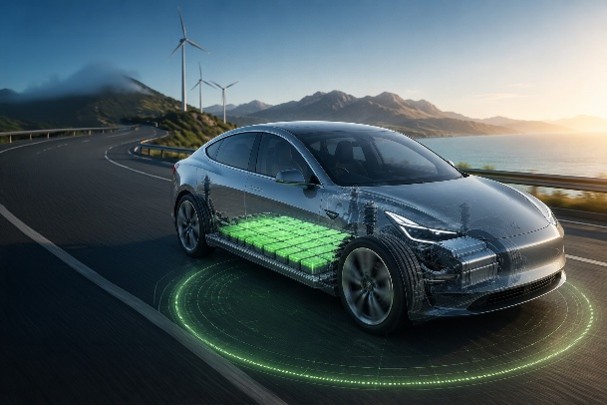
Consider a modern electric vehicle battery.
One of the greatest engineering challenges is preventing thermal runaway, a chain reaction where overheating in one battery cell spreads to others.
Rather than waiting to discover this during expensive physical testing, engineers use Computational Fluid Dynamics (CFD simulation), finite element analysis (FEA), and multiphysics simulation to understand heat transfer, structural behavior, cooling performance, and electrical interactions under thousands of operating conditions.
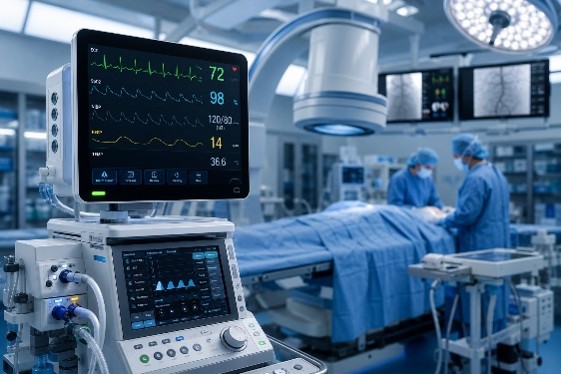
Similarly, aircraft components are exposed to virtual turbulence, electronics are evaluated for overheating, medical devices undergo durability analysis, and wind turbines are optimized for decades of operation, all before entering production.
By complementing physical testing with engineering simulation, organizations gain confidence across a far wider range of scenarios than traditional testing alone could ever achieve.
Why It Matters to You
Most consumers never see these simulations. What they do notice is the outcome.
These aren’t accidents, they are the result of thousands of virtual experiments performed long before the product reaches the market.
Because engineers can evaluate thousands of operating conditions digitally, they reduce the number of physical prototypes, shorten development cycles, optimize material usage, improve energy efficiency, and significantly reduce the likelihood of costly failures or product recalls.
Building Confidence Through Digital Engineering
Simulation doesn't replace physical testing, it strengthens it.
The most successful engineering organizations validate simulation results against real-world experiments, creating a continuous feedback loop that improves both digital models and physical products.
This approach forms the foundation of modern digital engineering, where engineering simulation, AI, digital twins, automation, and data work together to accelerate innovation.
Instead of reacting to failures after products reach customers, companies can predict, understand, and solve potential issues much earlier in the development process.
The result is better products, delivered faster, with greater confidence.
The Invisible Simulations. The Visible Difference.
Every product you trust today has already lived thousands of virtual lives before it reached your hands.
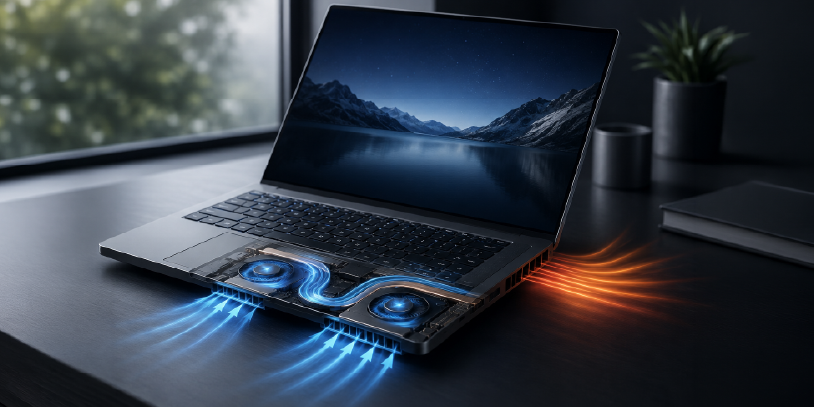
The next time your washing machine runs quietly, your smartphone stays cool under heavy use, or your electric vehicle performs exactly as expected, remember that much of its journey happened long before it was ever manufactured.
Behind these invisible simulations is a new era of digital engineering, where AI, multiphysics simulation, digital twins, and engineering intelligence are transforming how products are imagined, designed, validated, and optimized.
At CADFEM, we help organizations make this invisible engineering possible. By combining world-class engineering simulation, digital engineering expertise, AI-enabled workflows, and decades of experience, we enable companies to innovate with greater confidence, reduce development risk, and deliver better products to market faster.
Because while the simulations may remain invisible, their impact is visible in every safer journey, every longer-lasting product, and every innovation that improves everyday life.
Filed under
Found this useful? Share it