Rapid transition toward renewable and sustainable energy sources
Growing global commitments to net-zero emissions demand faster innovation and reliability in green energy technologies.

From renewables to next-gen power systems, simulation accelerates innovation, resilience, and energy efficiency across the industry.
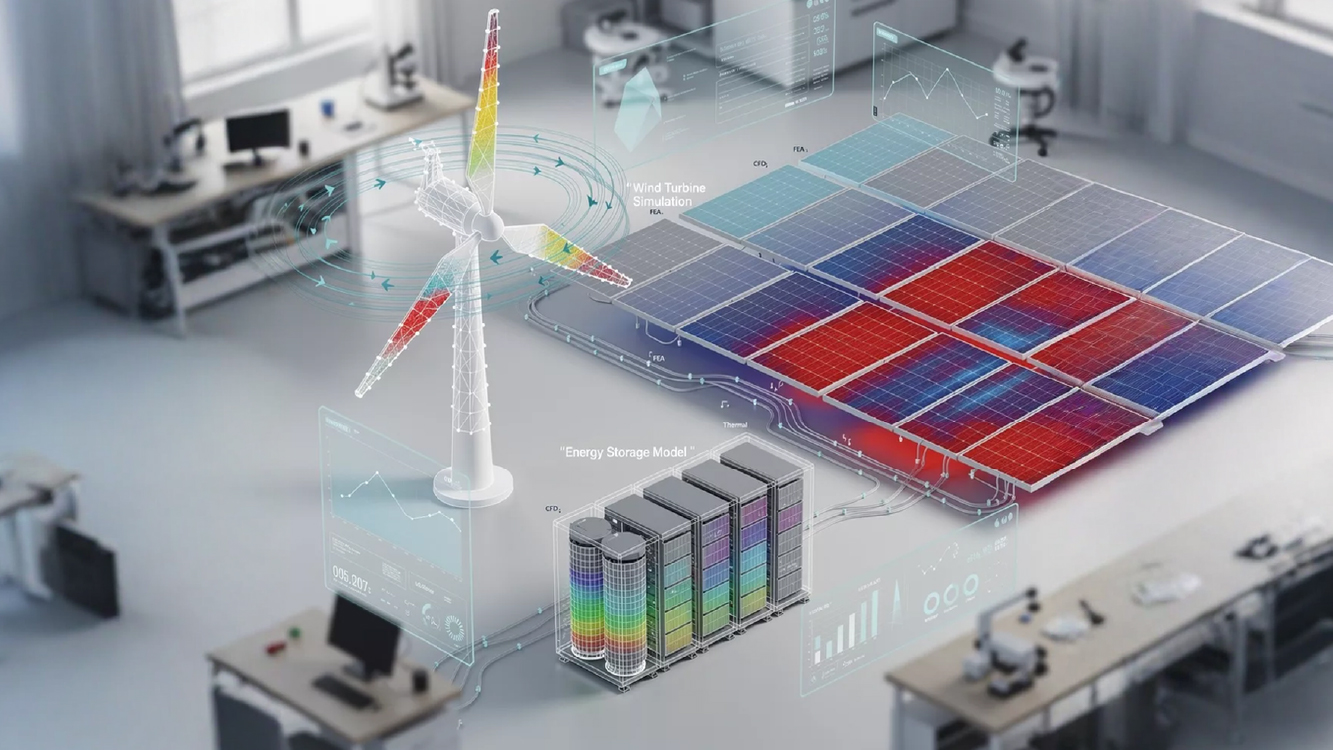
Overview
The global energy landscape is undergoing its fastest transformation ever. Renewables are scaling, fossil-fuel operations are tightening efficiency demands, and climate goals are reshaping how energy is generated, stored, transported, and consumed. From solar and wind systems to hydrogen, biomass, thermal networks, and nuclear power plants — engineering challenges are growing more complex and interconnected.
At CADFEM, we help energy companies bridge the gap between concept and real-world deployment through simulation-powered digital engineering. Leveraging the complete Ansys ecosystem, engineers can evaluate multiphysics behavior, predict performance under extreme environments, optimize material usage, and improve sustainability across the entire lifecycle of assets. Whether designing a solar tracker, validating wind turbine fatigue, or ensuring nuclear cooling safety — CADFEM enables faster, safer, cleaner energy innovations.
Growing global commitments to net-zero emissions demand faster innovation and reliability in green energy technologies.
Energy assets must withstand thermal loads, fluid forces, dynamic vibrations, fatigue, weather fluctuations and corrosive environments.
Reducing greenhouse gas emissions, energy losses, material usage, and operational disruptions is essential for competitiveness.
Energy systems — especially nuclear, hydrogen, and offshore platforms — must meet strict regulatory and safety standards.
Failures in turbines, pipelines, panels, reactors, or generators lead to major financial and environmental impacts.
Virtual prototyping is essential when physical testing is expensive, dangerous, or impossible at full scale.
Solution with Simulation
Virtually validate designs to reduce prototyping cycles and speed deployment of renewable technologies.
Optimize material use, energy output, emissions, and lifecycle performance.
Predict structural, thermal, electromagnetic, and fluid-induced failures early.
Enable real-time monitoring, predictive maintenance, and performance optimization.
Simulate windstorms, thermal shocks, seismic events, pressure transients, fluid turbulence, corrosion, and radiation effects.
Integrate design, testing, and field operations through a unified simulation workflow.
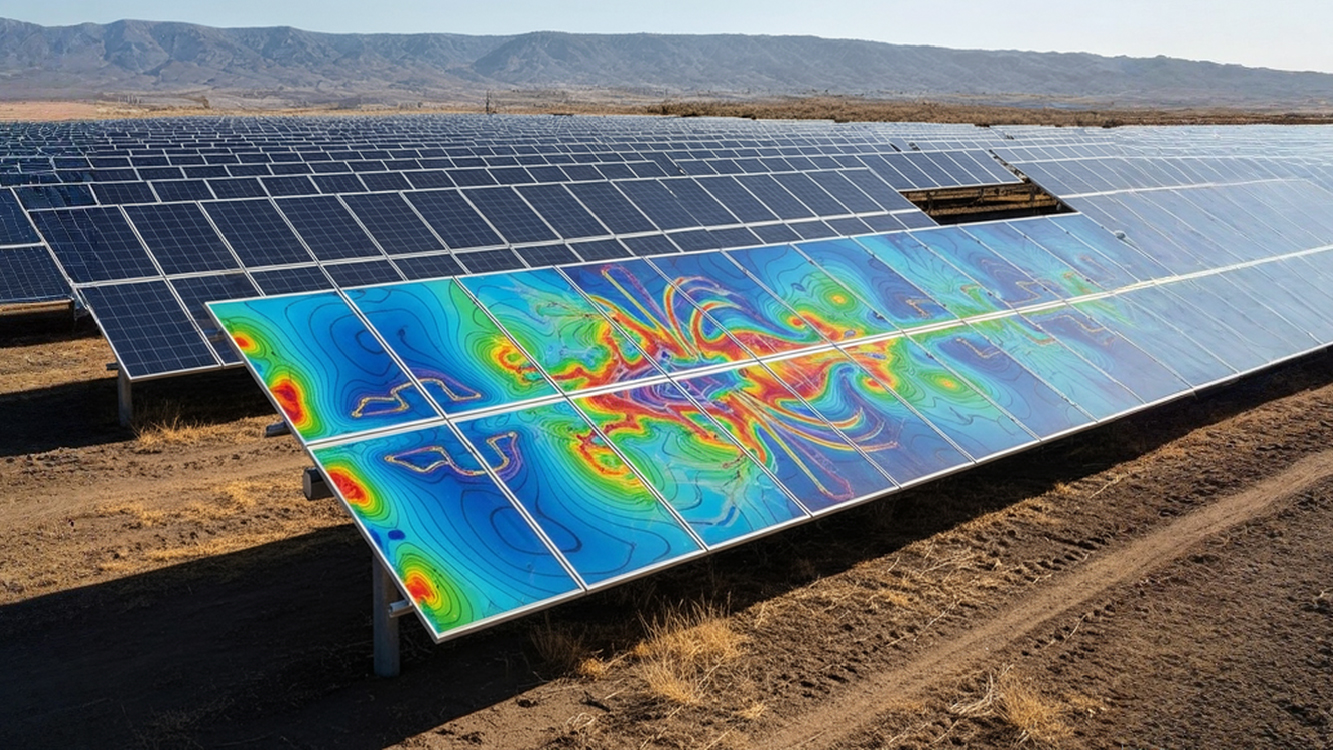
Solar Energy
Solar energy continues to evolve with advanced photovoltaic materials, smart inverters, and optimized support structures. Simulation enables engineers to maximize energy output, ensure durability against harsh weather, and improve long-term reliability.
Panels must convert sunlight across varying intensities while managing heat buildup.
Solar structures face extreme environmental variations that impact durability.
Weather cycles, corrosion, and thermal fatigue pose significant challenges.
PV modules, supports, and frames require efficient material combinations.
Wind-induced vibrations, uplift forces, and storm events must be simulated early.
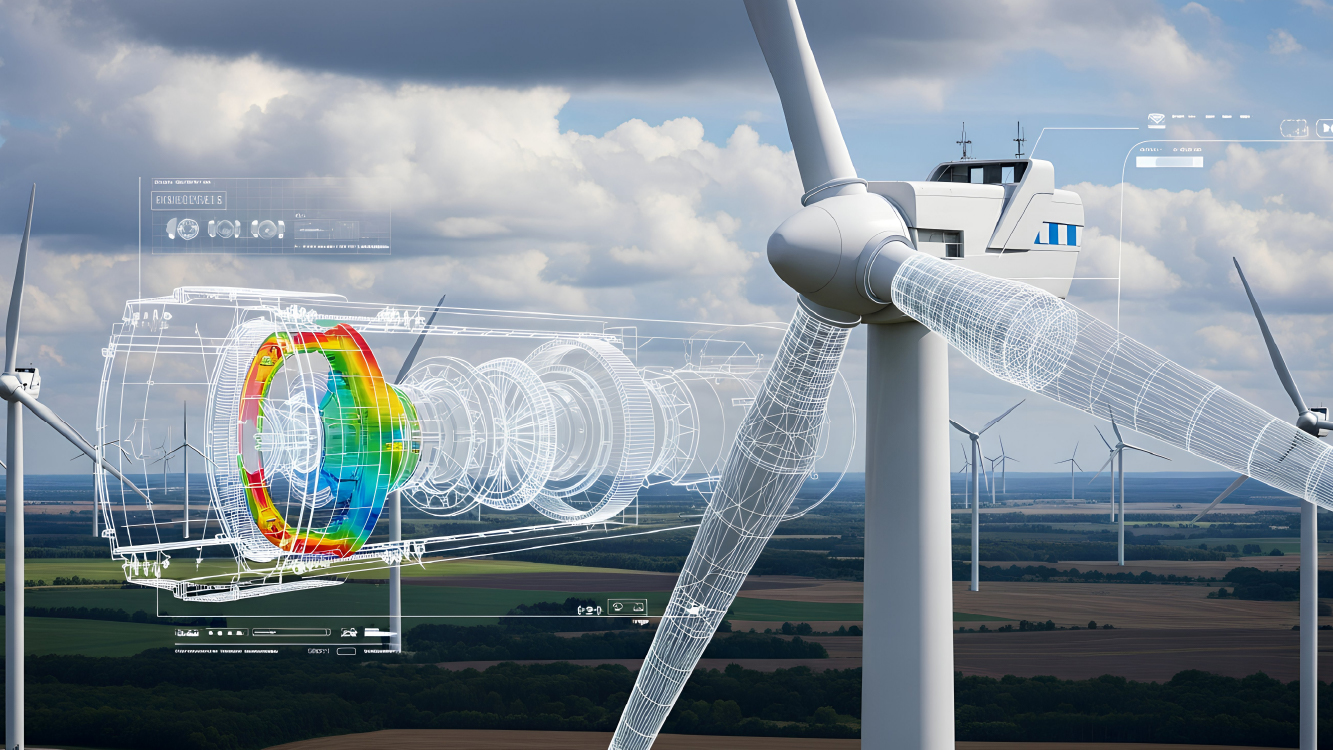
Wind Energy
From offshore giants to innovative vertical-axis designs, wind turbines require robust simulation to achieve high performance, reduced fatigue, and long-term reliability.
Accurate CFD ensures turbines achieve maximum efficiency across wind profiles.
Blades and towers undergo fluctuating loads causing fatigue and eventual failures.
Saltwater corrosion, waves, and storms increase design complexity.
Digital twins help forecast maintenance and reduce downtime.
Multiphysics simulation ensures peak energy production.
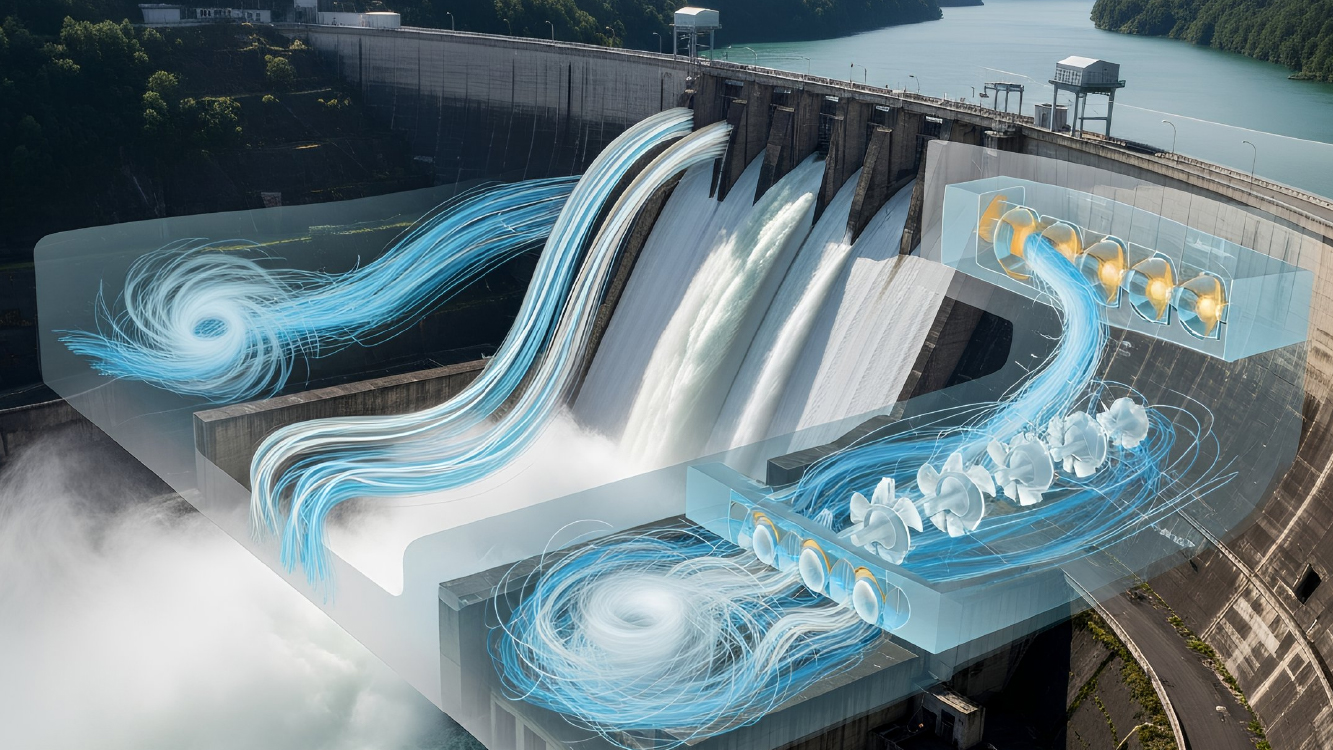
Hydropower
Simulation ensures turbines, pumps, and flow systems operate safely, efficiently, and reliably under extreme water dynamics and pressure fluctuations.
Water turbulence impacts turbine performance and longevity.
Repeated stress cycles demand robust structural validation.
CFD predicts vapor bubble formation and erosion risks.
Safety depends on resisting surge loads and transients.
Multiphysics modeling enhances power conversion across operating ranges.
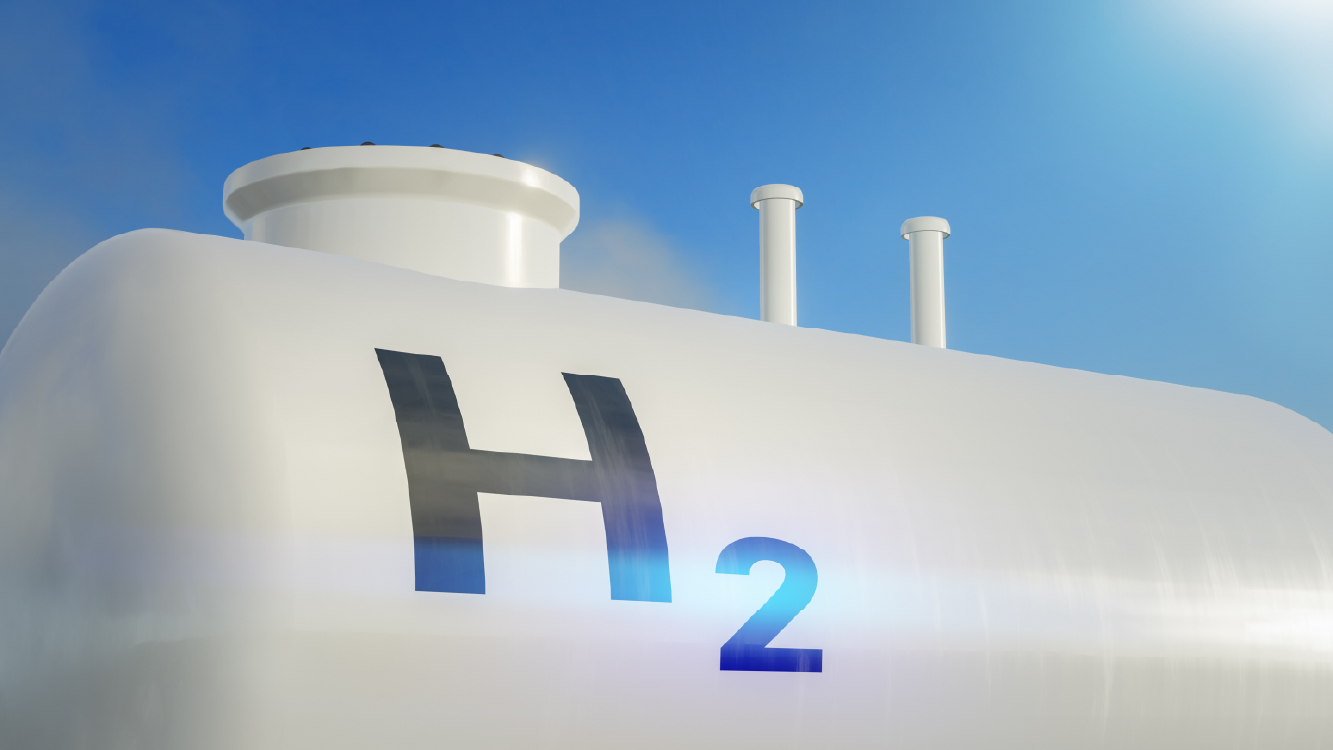
Hydrogen & Bio-Mass
As hydrogen and biomass gain global attention, simulation plays a critical role in ensuring safe, efficient, and reliable system design — from fuel cells to gasification units.
Fuel cell efficiency and durability require high-fidelity models.
Leaks, embrittlement, and low-temperature effects must be predicted early.
Simulation supports stable, efficient combustion and gasification.
Structural failures must be mitigated through realistic scenario modeling.
CFD-driven combustion analysis ensures a sustainable balance.
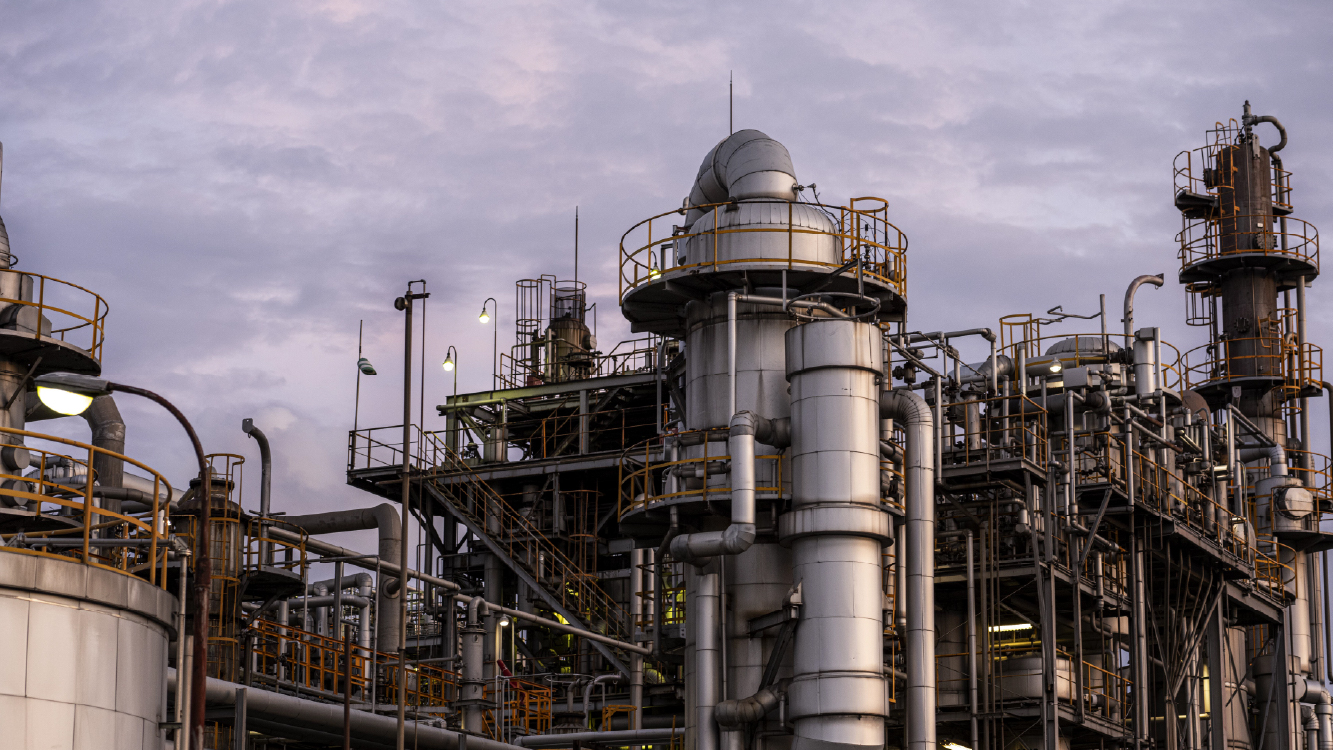
Oil & Gas
Despite the shift to renewables, Oil & Gas remains essential. Simulation reduces risks, optimizes processes, and enhances environmental compliance.
CFD ensures safe and efficient pipeline and equipment performance.
Simulation supports clean, optimized energy production.
Fatigue, corrosion, and fluid-induced stresses pose reliability risks.
Digital twins enable real-time monitoring and failure prediction.
Simulation helps meet rigorous global safety and compliance standards.
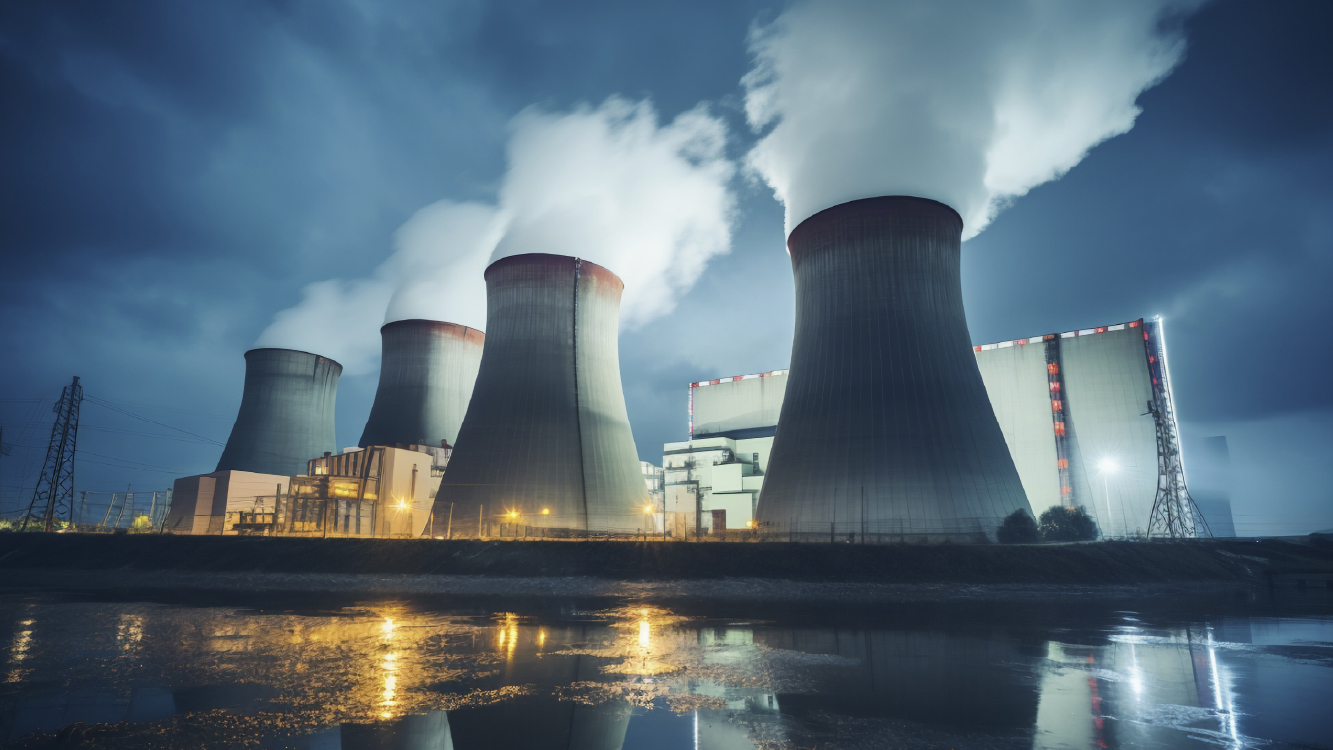
Nuclear Energy
Nuclear energy delivers carbon-free power but demands the highest level of engineering accuracy. Simulation provides the confidence required to design safe, reliable nuclear assets.
CFD predicts coolant behavior, avoiding overheating and environmental hazards.
Thermal stresses, seismic loads, and pressure spikes must be validated.
Long-term degradation must be forecasted accurately.
Multiphysics modeling enhances performance across operating ranges.
Digital twins reduce costly outages and extend asset life.