ANALYSIS TYPE / 09
Accurate and Validated Reacting Flow Models Enable Precise Simulations
Overview
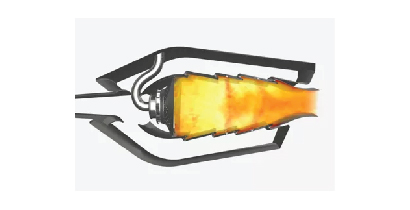
Combustion is a chemical reaction between a fuel and an oxidizer, often with the release of heat and light. CFD simulations are used to model combustion processes in engines, furnaces, boilers, and industrial reactors — optimizing combustion efficiency, analyzing flame characteristics, predicting temperature distributions, and improving fuel consumption and emissions performance. CFD is also utilized to model complex chemical reactions occurring in reactive flows such as combustion, pyrolysis, gasification, and reactions in industrial processes — predicting reaction kinetics, species concentrations, and product distributions.
Industries Served
Deliverables
Other CFD Services
Multi Phase & Multi SpeciesThermal ManagementExternal & Internal AerodynamicsSubsonic / Transonic / Supersonic FlowsAero-Vibro AcousticsBattery Management SystemsFluid-Structure InteractionHydraulic & TurbomachineryCombustion & Reaction ChemistryPolymer & Metal ProcessingCustomized Functional DevelopmentKey Aspects
Applying flamelet, PDF transport, and EDC combustion models to capture the interaction between turbulence and chemical reaction in premixed and non-premixed flames.
Computing NOx, CO, soot, and unburned hydrocarbon formation — enabling design changes to reduce regulated emissions at the combustion simulation stage.
Identifying thermoacoustic instabilities and lean blow-out limits in gas turbine combustors — preventing hardware damage through simulation-led combustor design.
Modelling pyrolysis, gasification, and reforming reactions in industrial reactors — predicting conversion rates, product yields, and optimal operating conditions.
Connect with our CFD engineering team to discuss the right approach for your application.