What Is a Battery Management System? Guide for Automotive Applications
Read the CADFEM guide to smart BMS functions, automotive thermal management, centralized vs. modular architectures, and Ansys simulation
Read Article →
As electric vehicles (EVs) continue to evolve, efficient thermal management is essential for maintaining the performance, reliability, and longevity of critical power electronics components.
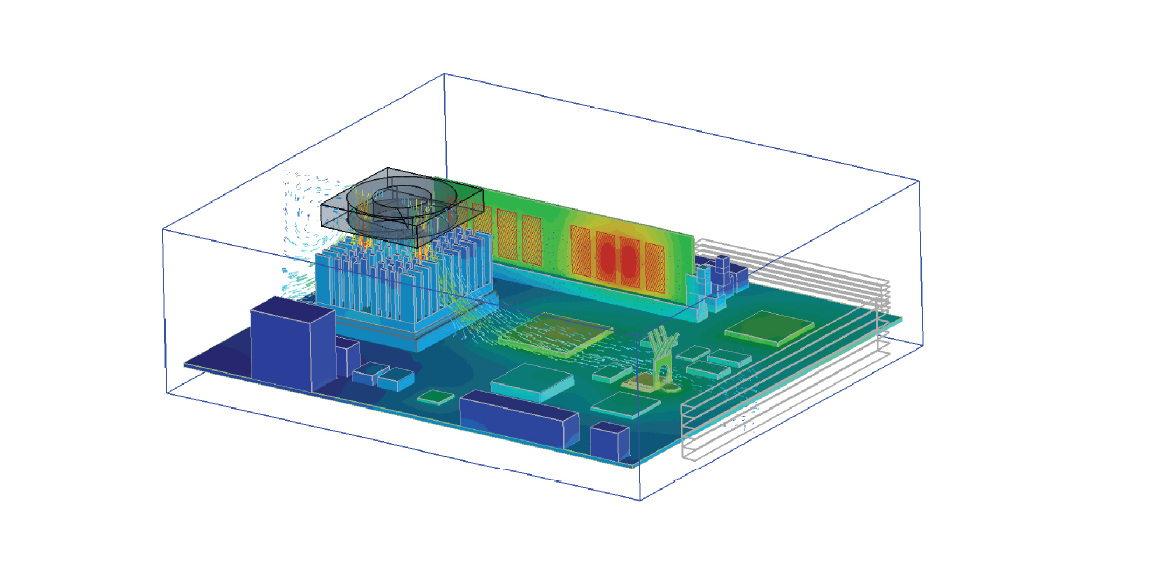
As electric vehicles (EVs) continue to evolve, efficient thermal management is essential for maintaining the performance, reliability, and longevity of critical power electronics components. This blog explores key EV components, including electronic control units, power components, PCBs, wiring, charging connectors, and busbars, before delving into strategies for managing heat. It highlights the role of advanced cooling techniques, material selection, and optimized enclosure designs, as well as how simulation-driven approaches help engineers develop effective thermal solutions to enhance efficiency and safety in EVs.
Printed Circuit Boards (PCBs) in EV power electronics are densely packed with components that generate heat. Effective heat dissipation is critical to maintaining performance and preventing component failure due to overheating.
Power electronics in EVs encompass the Electronic Control Unit (ECU), Charging Control Unit (CCU), and Motor Control Unit (MCU). These units play a crucial role in energy management, motor control, and charging operations but also generate significant heat due to high power densities and switching losses.
Inverters and DC-DC converters are essential in EV power systems, facilitating power conversion between the battery, motor, and auxiliary systems. These components operate at high switching frequencies, leading to substantial heat generation that must be effectively managed to ensure efficiency and longevity.
Joule heating, caused by electrical resistance in high-current components such as wires, cables, and charging connectors, is a significant challenge in EV thermal management. Charging connectors and sockets are subjected to high currents, leading to I²R losses, which result in heat generation and potential thermal degradation.
Fuse boxes, relay boxes, and busbars are critical components in EV power distribution systems. They handle high currents and are prone to heat generation due to electrical resistance, which can affect performance and reliability if not properly managed.
Wireless charging systems, particularly onboard chargers, generate heat due to inductive coupling and power conversion. Proper thermal management is necessary to prevent efficiency losses and overheating during charging operations.
To mitigate heat-related challenges in EV power electronics and control units, the following thermal management strategies are implemented:
Simulation tools from Ansys play a crucial role in developing advanced thermal management strategies for EV power electronics. These tools enable engineers to analyze heat transfer mechanisms and refine designs for improved thermal performance. Key benefits include:
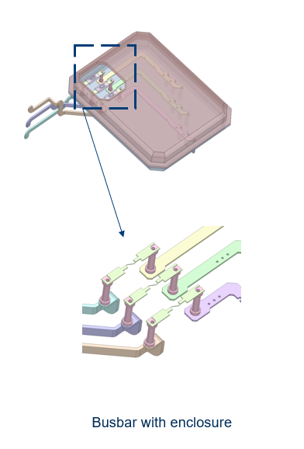
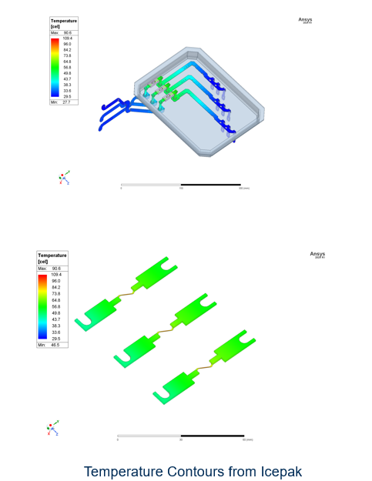
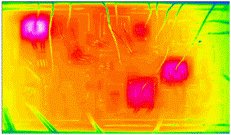
Effective thermal management is paramount for the performance, reliability, and safety of EV power electronics and control units. By addressing heat generation and dissipation through strategic material selection, optimized cooling techniques, and advanced enclosure designs, manufacturers can ensure that EVs operate efficiently even under demanding conditions. Ansys simulations play a crucial role in refining these strategies, helping engineers design and validate effective thermal solutions. As EV technology continues to evolve, advancements in thermal management will shape the future of electric mobility.
Interested in learning more? Join our webinar: “Advanced Thermal Analysis and Simulation of Electronic Components and IC packages.” You can gain hands-on insights into Thermal Analysis and Simulation of Electronic Components and IC packages!
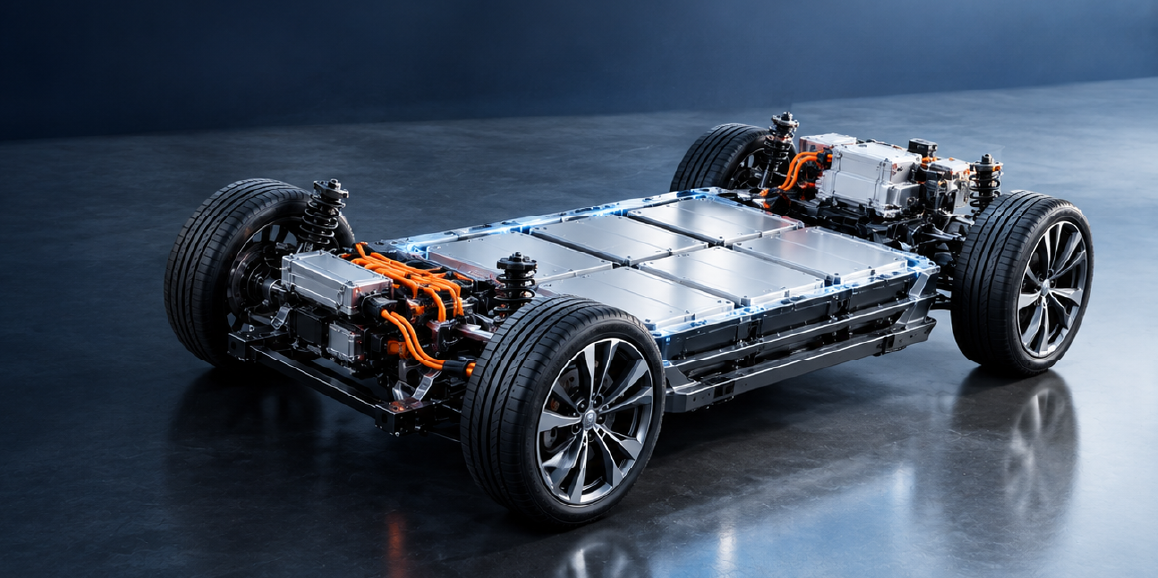 Multi Physics
Read the CADFEM guide to smart BMS functions, automotive thermal management, centralized vs. modular architectures, and Ansys simulation
Read Article →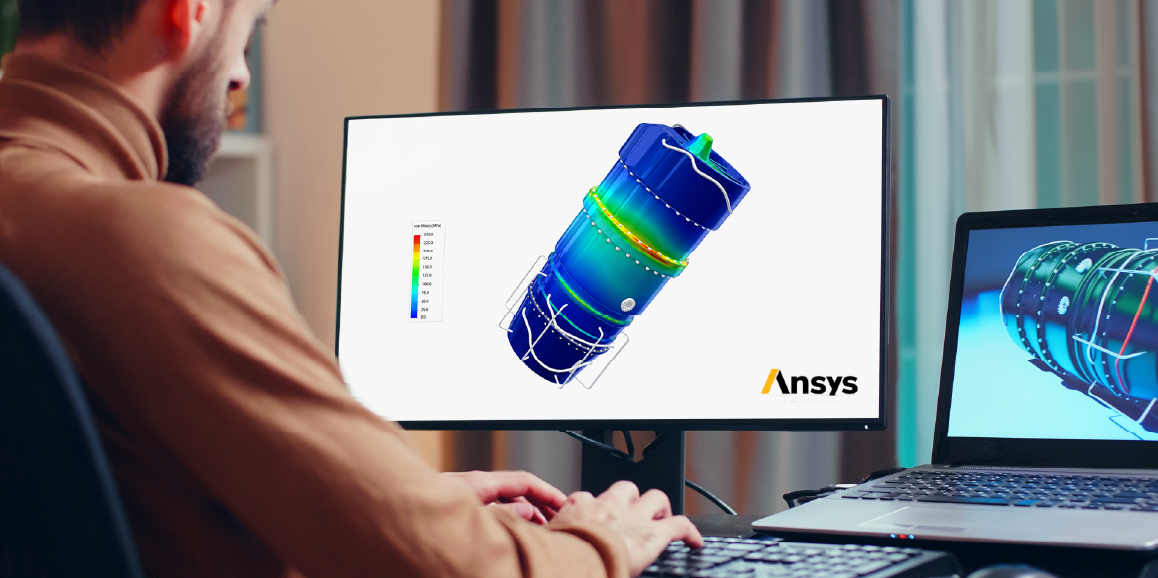 Structures
Di tengah pesatnya perkembangan teknologi rekayasa, adopsi CAE di Indonesia menjadi kunci utama dalam meningkatkan efisiensi dan produktivitas berbagai sektor industri.
Read Article → Electronics
Learn how to use Ansys HFSS SBR+ for 77 GHz automotive radar simulation, evaluating radome effects, antenna performance, radiation patterns, and installation.
Read Article →Connect with CADFEM experts for advanced simulation, automation, and engineering solutions tailored to your industry.