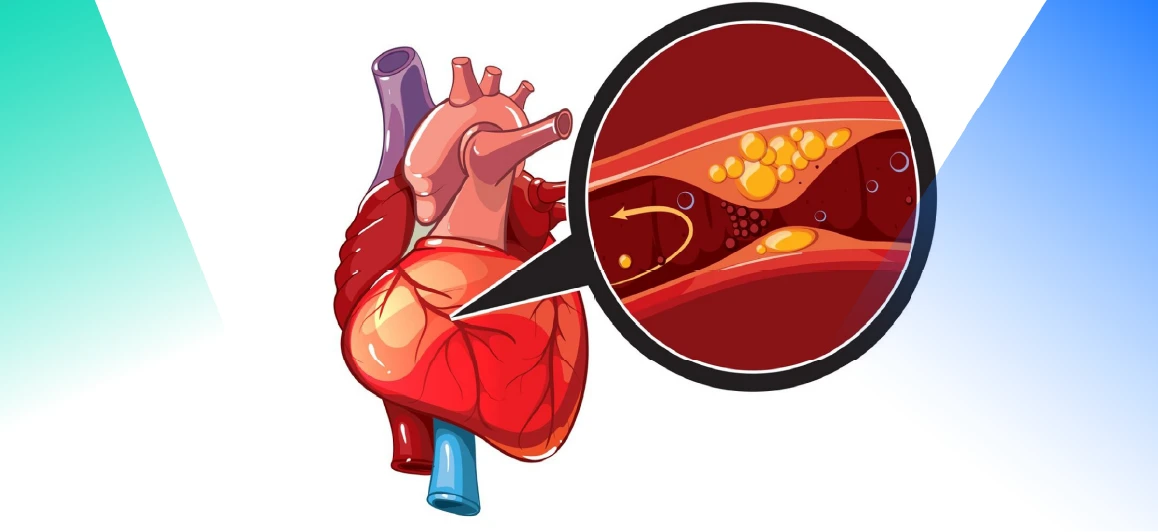
In the rapidly evolving landscape of biomedical engineering, cardiovascular stents play a crucial role in treating artery blockages and restoring blood flow. These tiny mesh tubes are implanted into narrowed or weakened arteries and are critical for millions of patients globally. As the need for patient-specific stent designs and minimally invasive procedures increases, simulation-based engineering is emerging as a game-changer. Among the leading tools in this domain, Ansys LS-DYNA stands out for its robust ability to simulate complex, nonlinear, and dynamic medical scenarios.
The Importance of Stent Simulation in Modern Healthcare
Designing and validating cardiovascular stents is a complex task. These devices must be highly reliable, biocompatible, and flexible enough to conform to arterial pathways while resisting fatigue and structural failure. Traditional methods of prototyping and testing are time-consuming, expensive, and provide limited insight into real-world physiological conditions.
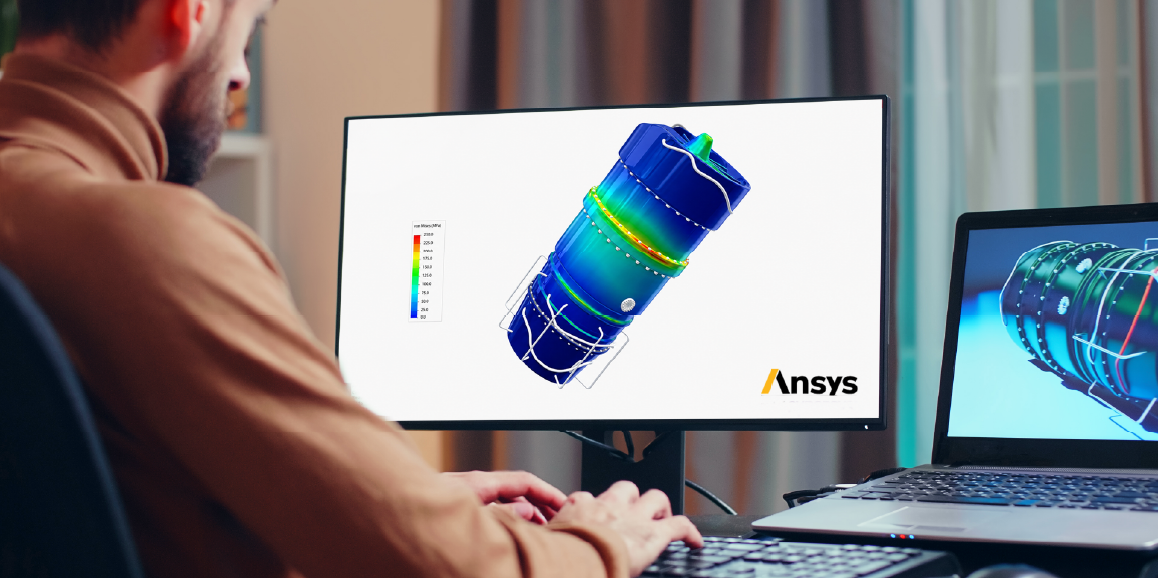
This is where LS-DYNA, a highly sophisticated finite element solver from Ansys, transforms the engineering process. With LS-DYNA, engineers and biomedical designers can simulate every critical aspect of stent deployment—right from crimping to expansion within the artery—under realistic conditions.
Problem Statement: Modeling the Crimping and Dilation of a Stent
The simulation discussed in this blog focuses on modeling the mechanical behavior of a cardiovascular stent during two essential stages:
- Crimping – Reducing the stent diameter to enable insertion into the artery.
- Dilation – Expanding the stent within the artery to restore blood flow.
These processes involve large deformations, contact interactions, and nonlinear material behaviors—making LS-DYNA the ideal tool for this application.
Setting Up the Simulation: LS-DYNA and the Finite Element Model
Using LS-DYNA, a high-fidelity finite element (FE) model was created comprising the following components:
- Stent Geometry: A flexible, detailed mesh to capture radial behavior.
- Artery: A compliant arterial wall model to simulate interaction with the stent.
- Crimping Tool: A mechanism to apply uniform pressure for compressing the stent.
- Dilation Tool: A balloon-like structure that expands the stent inside the artery.
Boundary conditions and material properties were defined to reflect physiological realism, such as elastic-plastic behavior for metallic stent structures and hyperelastic models for artery walls.
Results: A Look into the Crimping and Expansion Process
Visual Simulation
LS-DYNA's robust contact and large deformation capabilities were leveraged to produce highly detailed simulation results. Iso and front views during both crimping and dilation phases showcased the mechanical response of the stent, artery, and tools.
Displacement Plot
The displacement plot revealed how the stent deforms during deployment. Areas of maximum and minimum displacement helped identify potential stress concentrations and regions at risk of mechanical failure.
Energy Plot
The internal energy plots tracked how mechanical energy is distributed and absorbed during the simulation. This helped in validating the overall performance and identifying whether the stent could return to its intended shape after deformation.
Why LS-DYNA is Ideal for Stent Simulation
LS-DYNA excels at solving nonlinear, transient dynamic problems involving contact, large strains, and complex materials. In biomedical applications like stent design, these capabilities translate into tangible benefits:
- High Accuracy: Ensures every deformation and force distribution is captured with precision.
- Material Versatility: Supports a wide range of materials from metals to bio-compatible polymers.
- Multiphysics Integration: Can be extended to simulate fluid-structure interaction, such as blood flow effects.
- Real-World Validation: Enables pre-clinical virtual testing, reducing dependency on animal or human trials.
Future Applications and Industry Relevance
Cardiovascular stent simulations using LS-DYNA are paving the way for personalized medicine. With patient-specific anatomical data from CT or MRI scans, engineers can create customized stents that match the exact geometry and elasticity of a patient's artery. This not only reduces the risk of complications but also improves the longevity and performance of the stent.
Beyond cardiology, LS-DYNA is also used for simulations in orthopedics, surgical tool design, and impact biomechanics. Its ability to model real-world physiological and mechanical responses makes it indispensable in modern medical device development.
Conclusion
The use of Ansys LS-DYNA in simulating stent crimping and dilation demonstrates how digital engineering is transforming medical innovation. By providing a safe, cost-effective, and highly accurate way to test device performance under real-world conditions, LS-DYNA accelerates the path from concept to clinic.
Whether you're a biomedical engineer, medical device designer, or simulation specialist, LS-DYNA offers the tools you need to enhance product safety, performance, and regulatory compliance in the highly regulated healthcare industry.
Found this useful? Share it