Driving the Future: The Critical Role of Autonomous Features and Simulation in Automotive Innovation
ADAS and autonomous technologies are becoming essential in modern vehicles. Simulation tools like Ansys AVxcelerate enable efficient development, testing and validation of these complex external and in-cabin systems.
VB
Vandan Babu OMSSN
May 26, 20255 min read
Introduction
The automotive industry is undergoing a transformative shift towards autonomy, with Advanced Driver Assistance Systems (ADAS) and autonomous technologies at the forefront. These features are not only enhancing safety and convenience but are also becoming essential components in modern vehicles. To achieve higher levels of autonomy (Level 2+ and beyond), a comprehensive approach that includes both external and internal vehicle intelligence is crucial. Simulation tools like Ansys AVxcelerate are playing a pivotal role in this evolution, enabling efficient development, testing, and validation of complex systems.
The Imperative of Autonomous Features
Autonomous features are redefining the driving experience. Externally, systems like adaptive cruise control, lane-keeping assist, and automated emergency braking are enhancing safety and paving the way for fully autonomous driving. Internally, in-cabin monitoring systems are ensuring driver attentiveness and personalizing the driving environment. The integration of these features requires meticulous development and validation to ensure reliability and user trust.
Simulation: Accelerating Development and Validation
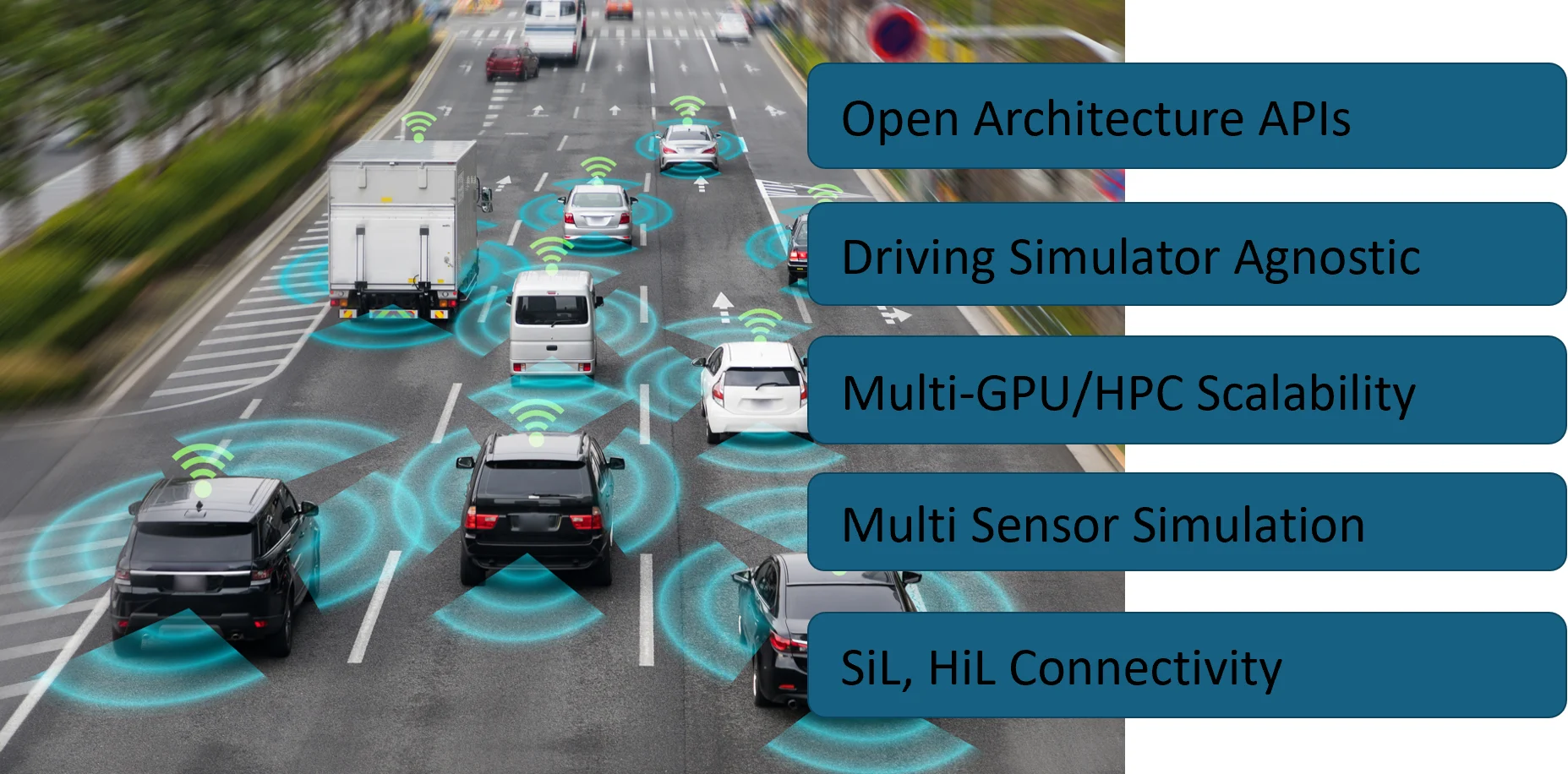
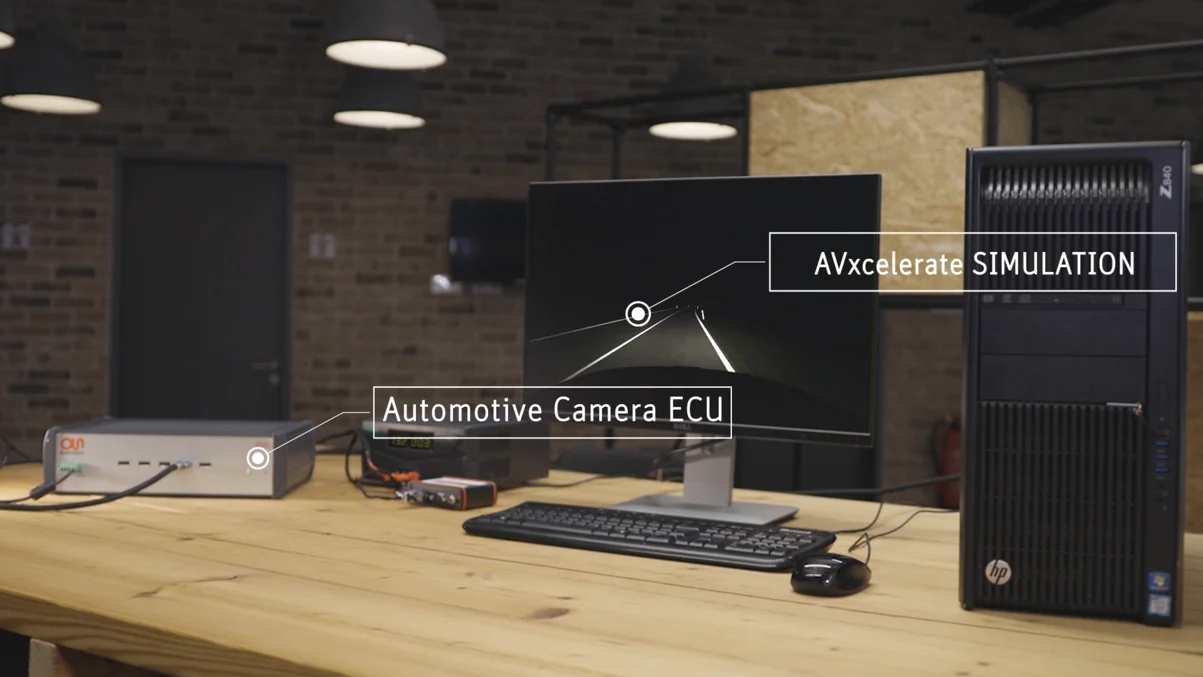
Traditional testing methods are insufficient to cover the vast array of scenarios autonomous systems may encounter. Simulation offers a solution by providing a controlled, repeatable, and comprehensive testing environment. Ansys AVxcelerate enables high-fidelity simulation of sensors such as cameras, LiDAR, radar, and thermal imaging systems under various environmental conditions, including fog, rain, snow, and varying lighting. This accelerates development cycles and enhances the robustness of autonomous systems.
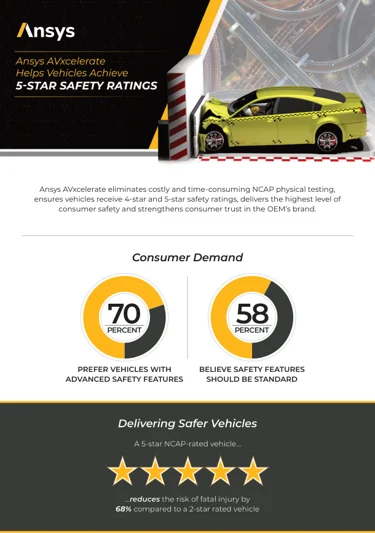
The importance of testing and validation becomes even more prominent as the automotive industry adapts to stringent global safety standards and government regulations. From New Car Assessment Programs (NCAP) to IIHS (Insurance Institute for Highway Safety) ratings, vehicles must undergo complex testing scenarios to meet legal and commercial requirements. AVxcelerate helps OEMs virtually simulate these scenarios early in the development cycle—saving time, reducing physical testing costs, and improving coverage across edge cases.
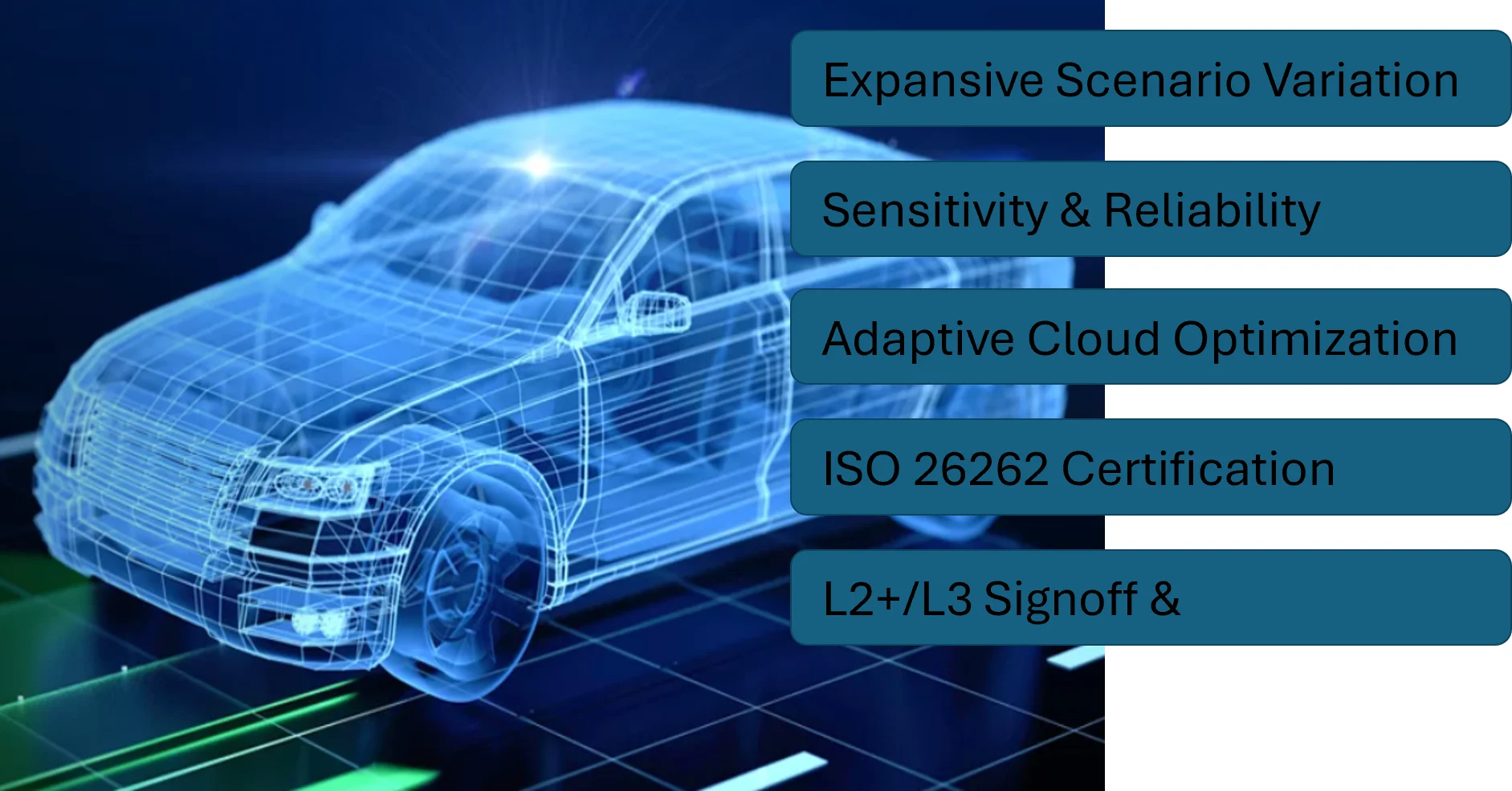
Furthermore, regulatory frameworks like ISO 26262 (functional safety for road vehicles) and SOTIF (Safety of the Intended Functionality) place a growing emphasis on the verification and validation of perception algorithms. AVx facilitates this by providing a controlled and repeatable simulation environment to test perception software, ensuring its accuracy and robustness even in challenging or rare conditions. With the rise of autonomous functionalities, remaining compliant with such standards is no longer optional—it is essential to maintain market relevance and ensure public trust.
Case Studies: Real-World Applications of Ansys AVxcelerate
1. ZF Group: Enhancing Virtual Test Drives
ZF integrated Ansys AVxcelerate Sensors into its Virtual Test Drive tool chain to create comprehensive sensor models for perception testing. This integration allowed ZF to simulate complex scenarios involving multiple vehicles, pedestrians, and challenging environmental conditions, leading to more robust ADAS development and reduced reliance on physical prototypes.
2. Sony Semiconductor Solutions: Advancing Sensor Validation
Ansys collaborated with Sony to improve perception system validation in ADAS and autonomous vehicles. By combining Ansys AVxcelerate Sensors with Sony's high dynamic range (HDR) image sensor models, OEMs can test advanced driver assistance systems under diverse driving scenarios, including low light, nighttime, rain, snow, and fog, thereby enhancing safety validation and reducing development costs.
3. HARMAN: Revolutionizing In-Cabin Experiences
HARMAN utilized Ansys simulation tools to develop next-generation automotive cockpit domain controllers. By integrating high-speed digital interfaces and advanced memory technologies, HARMAN aimed to deliver seamless and enriched in-vehicle experiences, highlighting the importance of in-cabin intelligence in the era of autonomous driving.
Intelligent Headlamps: Illuminating the Path Ahead
Adaptive lighting systems, such as matrix LED headlamps, are becoming integral to modern vehicles. These systems adjust lighting patterns in real-time based on driving conditions, enhancing visibility and safety. Ansys AVxcelerate facilitates the design and testing of intelligent headlamps by simulating various scenarios, enabling engineers to optimize performance before physical prototyping.
Conclusion
The journey towards fully autonomous vehicles is complex and multifaceted, requiring a harmonious integration of external and internal systems. Simulation tools like Ansys AVxcelerate are indispensable in this endeavor, providing the means to develop, test, and validate autonomous features efficiently and effectively. By embracing simulation-driven development, the automotive industry can accelerate innovation, ensure compliance with global safety standards, and build vehicles that meet the expectations of both regulators and consumers. The future of mobility is not just about automation—it's about doing it safely, smartly, and sustainably.
Found this useful? Share it
Continue Reading
More from our engineers.
If this article was useful, these picks up where it leaves off — practical reads from the CADFEM engineering practice.