
As we move further into the digital age, Python continues to be a cornerstone in the world of programming. Its versatility and ease of use make it an essential language for both beginners and seasoned developers. This blog post provides a roadmap for learning Python in 2026, from understanding the fundamentals to diving into specialized libraries.
Getting Started with Python
Before we delve into more complex topics, it’s crucial to understand the basics of Python. Familiarity with fundamental programming concepts will set a strong foundation for your learning journey.
1. Understanding Variables and Data Types
In Python, a variable is a name that refers to a value. It allows you to store information that you can use later in your program. Here are key points to consider:
- Data Types: Python supports various data types, including integers, floats, strings, and booleans.
- Variable Naming: Choose descriptive names for your variables to make your code easier to understand.
2. Control Flow: Loops and Conditionals
Control flow statements such as if-else statements and loops (for and while) allow you to dictate the flow of your program. Mastering these will enable you to execute code based on conditions and repeat tasks efficiently.
- If-Else Statements: Use these to execute different code blocks based on certain conditions.
- Loops: Utilize for loops to iterate over sequences and while loops for repeated execution of code while a condition is true.
Diving Deeper: Libraries and Frameworks
Once you have a solid grasp of the basics, it’s time to explore the vast ecosystem of Python libraries. Libraries extend the functionality of Python and allow you to tackle more complex problems with ease.
1. Data Analysis with Pandas
Pandas is a powerful data manipulation and analysis library. It provides data structures like DataFrames, which make working with structured data seamless.
- DataFrame Basics: Understand how to create, manipulate, and analyze DataFrames.
- Data Cleaning: Learn techniques for cleaning and preparing your data for analysis.
2. Scientific Computing with NumPy
NumPy is crucial for numerical computations in Python. It provides support for arrays and matrices, among other mathematical functions.
- Array Operations: Familiarize yourself with array manipulation and mathematical operations.
- Performance: Leverage NumPy’s optimized performance for large-scale computations.
3. Web Development with Flask
If you’re interested in web development, Flask is a lightweight web framework that allows you to build web applications quickly.
- Routing: Learn how to define routes and handle user requests.
- Templates: Utilize Flask’s templating engine to create dynamic web pages.
Practical Projects to Reinforce Your Learning
To solidify your understanding of Python, engage in practical projects. Projects give you hands-on experience and help you apply what you’ve learned in real-world scenarios.
- Build a Simple Calculator: Create a console-based calculator to practice user input and basic arithmetic operations.
- Data Visualization Dashboard: Use Pandas and Matplotlib to create a dashboard that visualizes data trends.
- Web Scraper: Develop a simple web scraper to extract data from websites using BeautifulSoup.
Joining Coding Communities
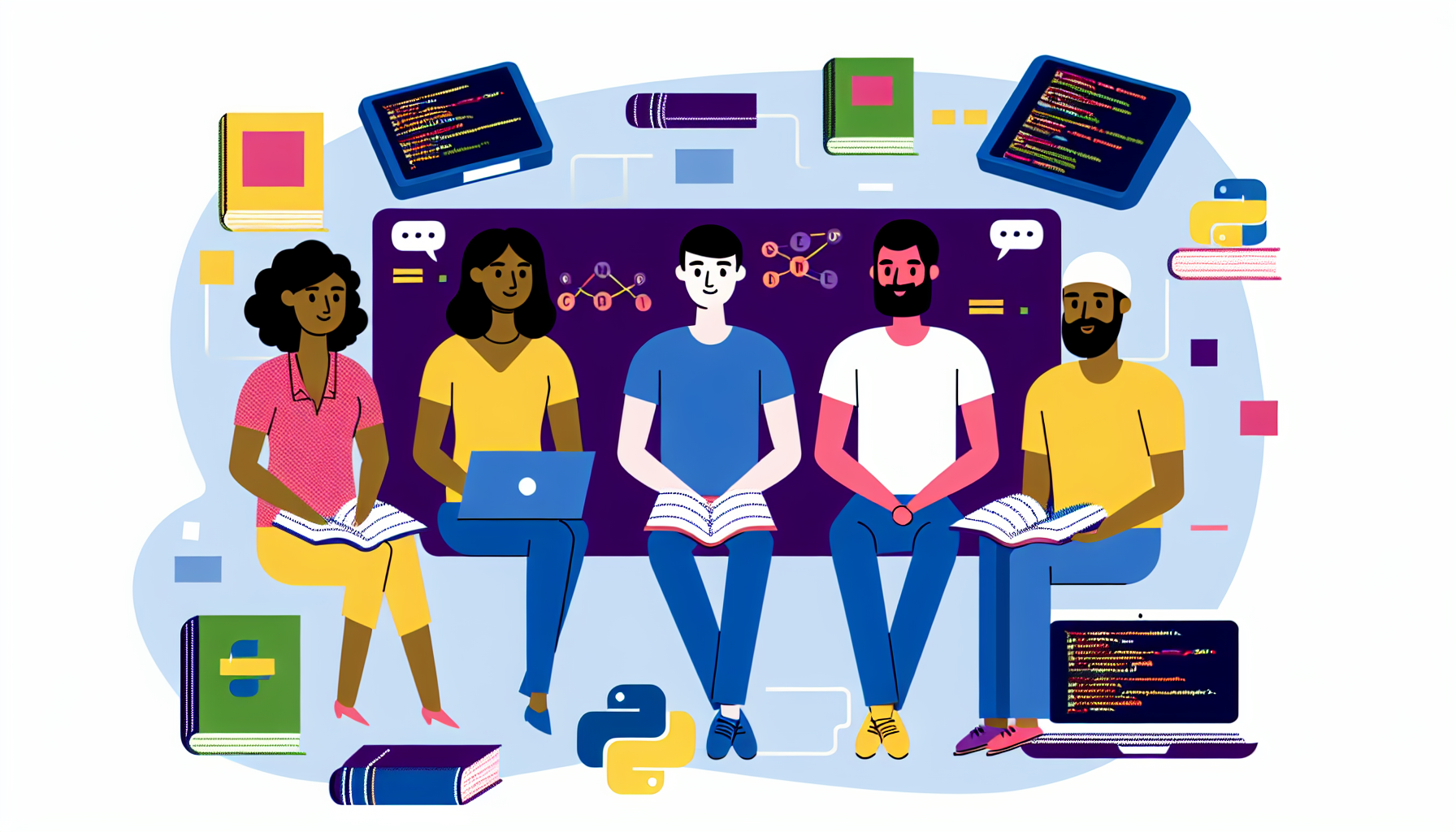
Learning to code can be challenging, but you don’t have to do it alone. Joining coding communities can provide support and resources to enhance your learning experience.
- Online Forums: Participate in forums like Stack Overflow or Reddit’s r/learnpython to ask questions and share knowledge.
- Local Meetups: Attend local coding meetups or workshops to network with other learners and professionals.
- Online Courses: Consider enrolling in online courses on platforms like Coursera or Udemy for structured learning.
Conclusion
Learning Python in 2026 is an achievable goal with the right approach and resources. By mastering the basics, exploring libraries, engaging in practical projects, and participating in coding communities, you can become proficient in Python and open doors to numerous opportunities in the tech industry. Stay consistent in your practice, and don’t hesitate to seek help along the way.