
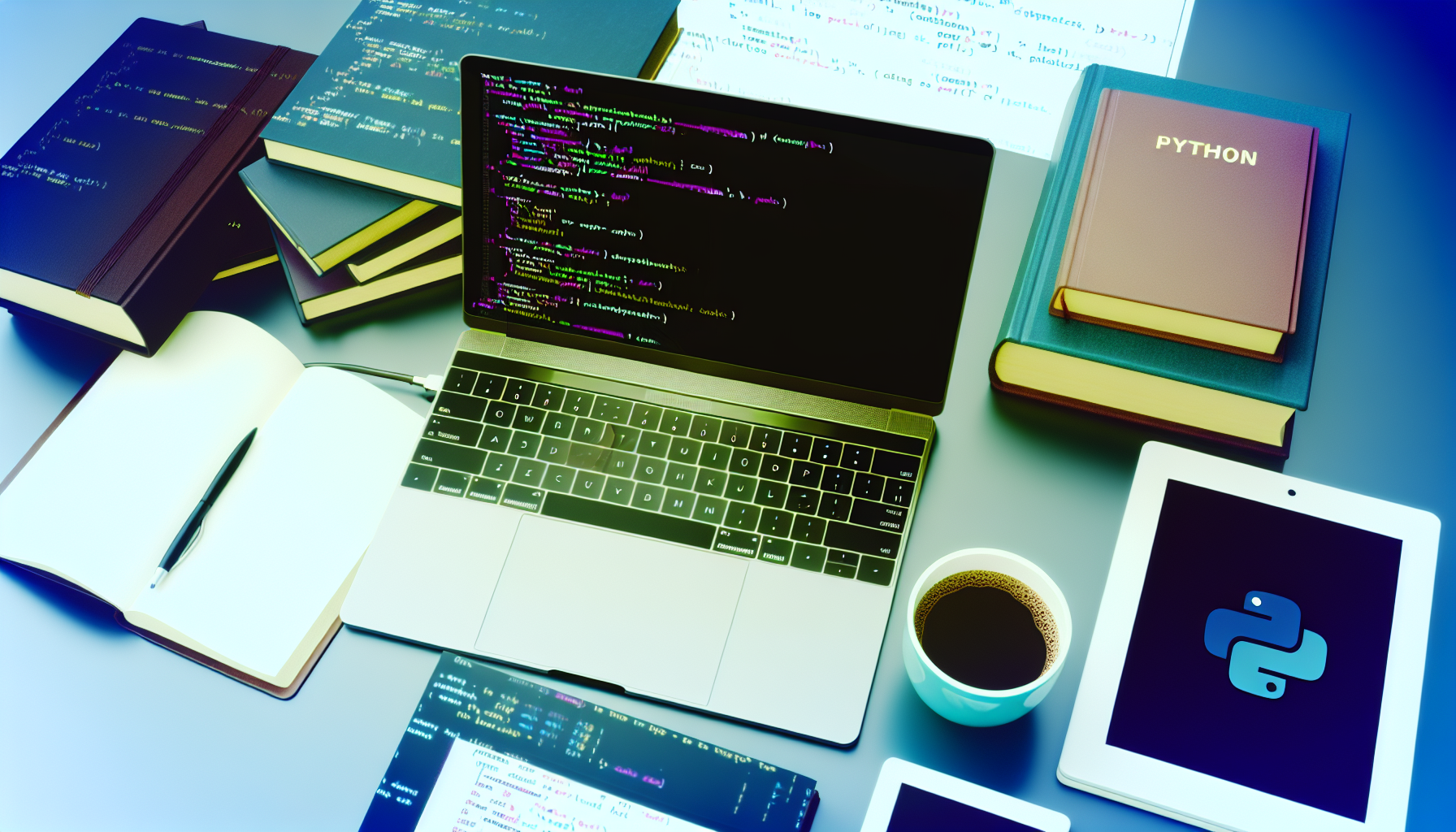
As we move into 2026, learning Python continues to be an invaluable skill for both aspiring and seasoned programmers. With its versatility and ease of use, Python remains one of the most sought-after programming languages in various fields, including data science, web development, and automation.
Why Learn Python in 2026?
Python’s popularity can be attributed to its readability and robust libraries that facilitate a range of applications. In 2026, the demand for Python developers is expected to grow, making it an excellent choice for career advancement or transitioning into technology roles.
Getting Started with Python
To effectively learn Python, it’s essential to start with the fundamentals. Here are the foundational concepts you’ll need:
- Variables: Understand how to store data in variables and the different data types available.
- Control Structures: Learn about conditionals (if-else statements) and loops (for and while loops) to control the flow of your program.
- Functions: Master how to define and invoke functions to organize your code efficiently.
- Data Structures: Familiarize yourself with lists, tuples, sets, and dictionaries for managing collections of data.
1. Setting Up Your Environment
Before diving into coding, you’ll need to set up your development environment. Here’s how:
- Install Python: Download the latest version of Python from the official Python website.
- Choose an IDE: Select an Integrated Development Environment (IDE) like PyCharm or VS Code to write your code.
- Virtual Environments: Use virtual environments to manage dependencies for different projects.
2. Learning Resources
Utilizing a variety of resources will enhance your learning experience:
- Online Courses: Platforms like Coursera and Udemy offer comprehensive Python courses.
- Books: Consider reading titles like Automate the Boring Stuff with Python for practical applications.
- Documentation: Familiarize yourself with the official Python documentation for in-depth knowledge.
Diving Deeper: Libraries and Frameworks
Once you’ve grasped the basics, it’s time to explore some of the powerful libraries that Python has to offer:
1. Data Analysis with Pandas
Pandas is a library that provides high-performance data manipulation and analysis tools. Key features include:
- DataFrames: Use DataFrames to handle and analyze structured data easily.
- Data Cleaning: Leverage built-in functions to clean and prepare your data for analysis.
2. Numerical Computation with NumPy
NumPy is fundamental for scientific computing in Python. It introduces:
- N-dimensional arrays: Utilize arrays for efficient storage and processing of large datasets.
- Mathematical functions: Access a wide range of mathematical functions to perform complex calculations.
3. Web Development with Flask and Django
If you’re interested in web development, consider learning Flask and Django, two popular frameworks:
- Flask: A lightweight framework ideal for small projects and prototypes.
- Django: A robust framework that follows the Model-View-Template (MVT) architecture for larger applications.
Practice Makes Perfect
To truly master Python, consistent practice is key. Here are some effective ways to practice:
- Daily Coding: Dedicate at least 30 minutes each day to coding challenges.
- Build Projects: Start small with projects like a personal website or a simple game, then gradually increase complexity.
- Contribute to Open Source: Join platforms like GitHub to contribute to open-source projects.
Join Coding Communities
Engaging with others can significantly enhance your learning journey. Consider joining:
- Online Forums: Participate in forums like Stack Overflow for help and guidance.
- Meetup Groups: Find local coding groups or attend workshops to network with fellow learners.
- Social Media: Follow Python-related accounts on platforms like Twitter and LinkedIn for updates and resources.
Conclusion
Learning Python in 2026 can open many doors in the tech world. By mastering the basics, exploring libraries, practicing consistently, and engaging with communities, you can position yourself for success in various programming endeavors. Embrace the challenge and enjoy the journey of becoming a proficient Python developer!