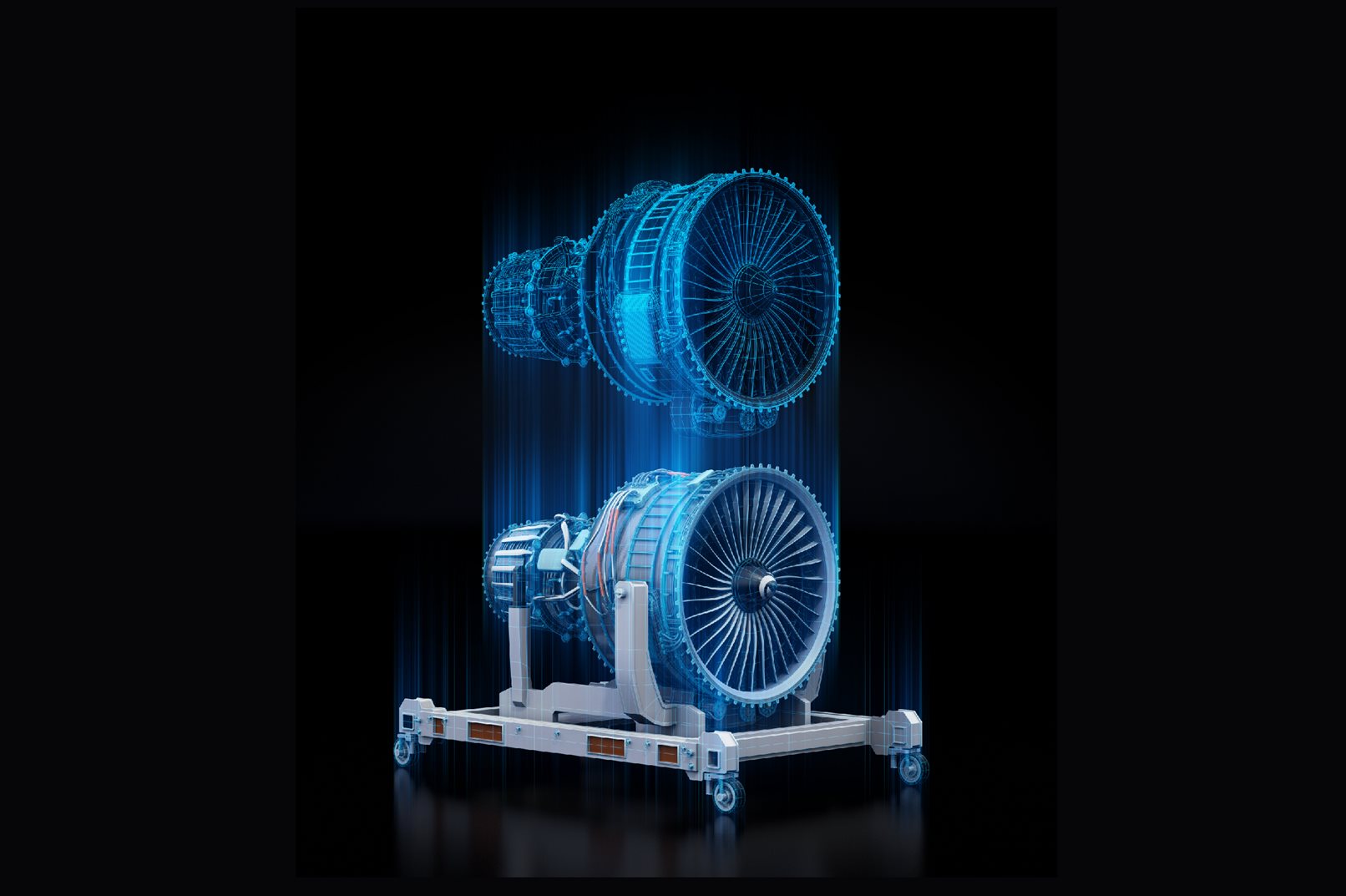
A digital twin, powered by analytics and simulations, is a virtual counterpart of a real-world asset built on a robust Digital Twin Architecture that connects physics-based models, data, and analytics. It replicates the behaviour and lifecycle of the physical asset through integrated multidomain system simulations. Hybrid digital twins facilitate system design, predictive maintenance, and enhance industrial asset management. Utilizing Ansys Twin Builder can enhance revenue generation, cost management, and help sustain a competitive edge.
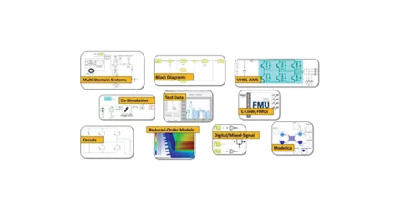
Construct a system employing diverse domains and languages within a unified Digital Twin Architecture, incorporating hierarchical diagrams of intricate power electronic circuits and multidomain systems. Utilize standardized languages and exchange formats for modeling.
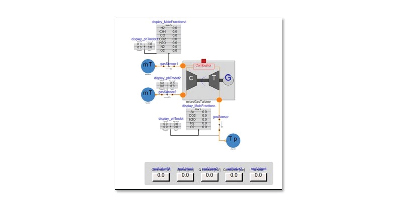
The pre-installed libraries in Twin Builder offer a diverse array of components essential for crafting comprehensive system models.
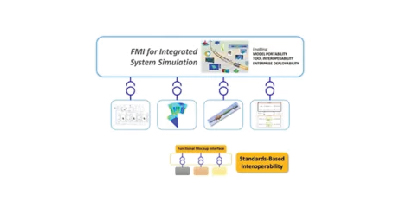
Twin Builder offers robust support for the Functional Mock-up Interface (FMI) standard, allowing you to integrate models from diverse origins into a comprehensive system representation.
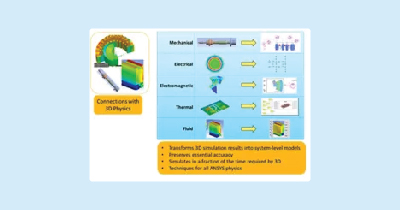
Twin Builder combines Ansys’ physics-based simulation technology with 3D simulations, represented as reduced order models (ROMs), forming a core layer of the Digital Twin Architecture for system-level modeling. This approach produces precise and effective system-level models.
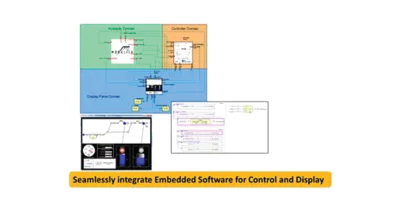
Twin Builder seamlessly incorporates embedded control software and HMI design, facilitating model-in-the-loop and software-in-the-loop workflows. These enable the testing of embedded controls’ performance alongside models of the physical system.
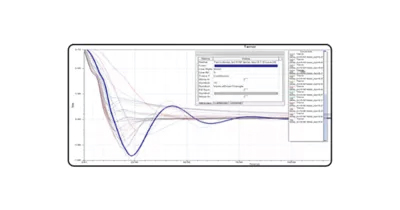
System performance optimization can be achieved by leveraging cost functions associated with designated design variables, either through embedded algorithms or in conjunction with Ansys DesignXplorer and Ansys optiSLang.
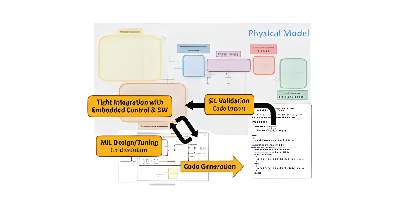
Various methods are available in Twin Builder for incorporating software into a physical model. These include costimulation for model-in-the-loop (MiL) applications, used for designing and fine-tuning control strategies, as well as code import for software-in-the-loop (SiL) validation, which verifies the real embedded code within the virtual system.